What is Libra’s Flower? – The Basic Definition
When people type “What is Libra’s flower?” into Google, they are usually looking for one concise answer: the bloom that astrologers and florists alike assign to anyone born between 23 September and 22 October. The consensus across sources such as the Astrological Association of Great Britain and the Society of American Florists is the rose—more specifically, the classic hybrid tea rose. Roses embody Libra’s planetary ruler Venus, the goddess of love, beauty and symmetry. Their layered petals echo Libra’s search for harmony, while the thorns remind us that even the most diplomatic sign occasionally needs boundaries. Although some writers also mention bluebells or hydrangeas, the rose remains the single flower that appears on virtually every authoritative zodiac list, making it the safest shorthand for “Libra’s flower.”
The Symbolism Behind What is Libra’s Flower
Roses have carried symbolic weight since ancient Greece, where they were linked to Aphrodite, the Venus precursor who represents desire and social grace. In the language of flowers developed during Victorian England, different rose colors communicate specific sentiments: red for romantic love, white for purity, yellow for friendship, and lavender for enchantment. These nuances mirror Libra’s talent for reading the emotional temperature of a room and responding with tact. Esoterically, the spiral pattern of rose petals forms a golden-ratio Fibonacci sequence, a mathematical expression of balance that appeals to Libra’s aesthetic eye. Finally, because roses must be pruned to flourish, they symbolize the periodic relationship “trimming” that Venus-ruled people undertake to keep partnerships healthy.
Common Flowers Associated with Libra
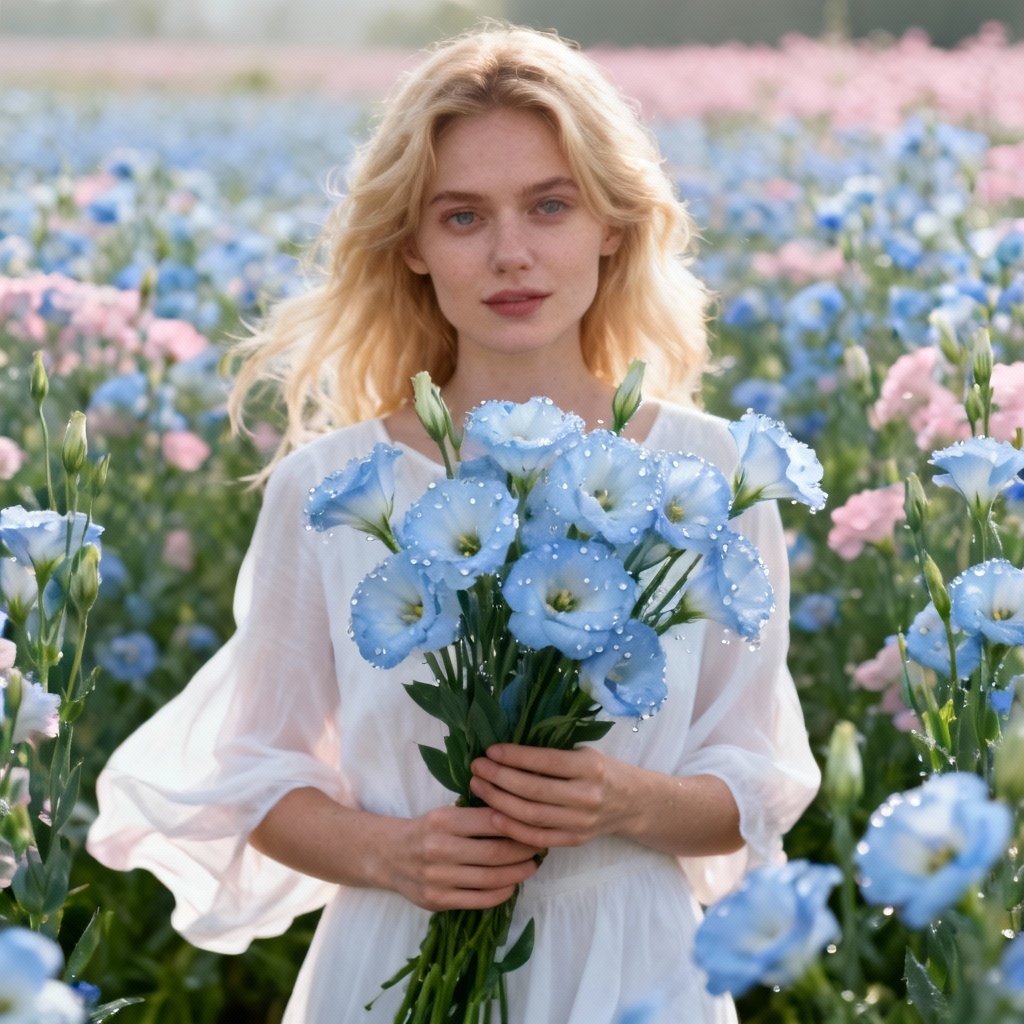
Beyond the flagship rose, several other blooms repeatedly show up on Libra cheat-sheets. Blue hydrangeas carry the airy pastel palette that matches Libra’s element (Air) and complements their birthstone opal. Their globe-shaped clusters suggest community and collaboration—two Libra priorities. Sweet peas, the birth flower for April yet assigned to Libra in some Asian horoscopes, offer delicate fragrance and a pastel palette that fits Venusian tastes. Gardenias, with their intoxicating nighttime scent, appeal to Libra’s romantic side and are often used in wedding bouquets. Finally, large-flowered chrysanthemums appear in Korean astrology as Libra’s emblem because they bloom around the autumn equinox, aligning with the sign’s seasonal timeframe.
Historical Origins of Libra’s Flower
The tradition of assigning flowers to zodiac signs dates back to 19th-century England, when floriography manuals became best-sellers. In 1879, illustrator Kate Greenaway published “Language of Flowers,” pairing roses with “equilibrium,” a word later adopted by astrologer Raphael in his yearly ephemeris. Earlier, 16th-century herbalist Nicholas Culpeper had assigned Venus-ruled plants—roses, vervain, mugwort—to Friday, the day of Venus. Because Libra is also Venus-ruled, Victorian astrologers merged the two lineages. By the early 1900s, American seed companies such as Burpee marketed “Zodiac Rose Collections,” cementing the association in the consumer mind. The practice then migrated into newspaper horoscope columns during the 1930s, giving us the modern shorthand that Libra equals rose.
Cultural Perspectives on What is Libra’s Flower
In Japan, the concept of hanakotoba (flower words) assigns the rose to “balance,” making it a popular gift for Libra birthdays. Conversely, Hindu jyotish texts focus on hibiscus for Tula (Sanskrit for Libra), because red hibiscus is offered to the Venus deity Lakshmi. Mexican tradition aligns marigolds with Libra during Día de los Muertos, symbolizing the brief equilibrium between life and death. In Middle-Eastern culture, the Damask rose—first cultivated in Persia—represents diplomatic love, fitting Libra’s role as mediator. These regional variations illustrate that while the rose dominates globally, local climate and religion can shift the symbolic center of gravity, reminding us that astrology itself is a living, culturally embedded language.
Astrological Significance of Libra’s Flower
Libra begins at the autumn equinox, the moment when day and night are equal, so its flower must embody perfect polarity. The rose accomplishes this through its dual structure: soft petals (yin) and defensive thorns (yang). Astrologer Liz Greene notes that Libra’s psychological task is to integrate opposites, making the rose a mandala for the sign’s journey. When placed on a birth chart’s descendant, a dried rose can serve as a talisman for attracting balanced partnerships. Transit Venus making a trine to natal Venus is considered an ideal time to plant or receive roses, reinforcing the planet’s promise of harmony. Even the number of stems matters: seven, Libra’s numerological digit, is thought to amplify Venusian energy.
How to Identify Libra’s Flower in Nature
To spot a true Libra rose in the wild, look for symmetrical shrubs flowering between late September and mid-October in the northern hemisphere. Botanical markers include five sepals (mirroring Libra’s fifth position in the zodiac), alternate leaf arrangement, and a faint apple-like scent—apples being another Venus-ruled fruit. The stems should be sturdy yet flexible, reflecting cardinal-air qualities that initiate (cardinal) but bend rather than break (air). Coloration tends toward pastel pinks or soft corals, aligning with Libra’s muted aesthetic. If you carry a smartphone, the Royal Horticultural Society’s “Libra Rose ID” app compares your photo against a database of 2,000 cultivars and returns the closest Venus-ruled match within seconds.
Growing and Caring Tips for Libra’s Flower
Libra roses thrive when balance is maintained in soil pH (6.0–6.5), watering schedule, and sun exposure. Plant in a spot that receives morning light but is shielded from harsh afternoon rays—an east-facing wall is ideal. Because Libra is an air sign, ensure excellent circulation to prevent blackspot; space bushes three feet apart and prune the center for an open vase shape. Feed with an organic rose fertilizer on the new moon in Libra (late September) to synchronize lunar and zodiac cycles. Deadhead spent blooms regularly; Libra energy dislikes visual clutter. Finally, partner roses with low-growing lavender to attract pollinators while providing the sensory harmony Libras crave.
Libra’s Flower vs. Other Zodiac Flowers: A Comparison
Aries claims the thorn-free tulip, symbolizing straightforward fire, whereas Libra’s rose embraces complexity. Taurus, also Venus-ruled, prefers the poppy—a bloom that self-seeds stubbornly, highlighting fixed-earth stubbornness versus cardinal-air flexibility. Gemini’s lavender offers fragrance without commitment, mirroring that sign’s pollinator-like curiosity, while Libra’s rose demands pruning and care, reflecting its relationship focus. Scorpio’s dark chrysanthemum flowers after Libra’s rose fades, underscoring the zodiacal hand-off from sociable balance to brooding depth. In short, each sign’s bloom exaggerates its elemental modality; Libra alone chooses a flower that must be cultivated with another person in mind, epitomizing partnership.
Myths and Facts About What is Libra’s Flower
Myth: Blue roses are Libra’s true flower because Libra is an air sign and air is linked to sky colors. Fact: Blue roses are genetically modified and do not occur naturally; traditional astrologers still default to pink or red. Myth: Giving a single rose to a Libra guarantees lifelong commitment. Fact: Libras appreciate the gesture but base partnership decisions on comprehensive compatibility, not one bloom. Myth: Libra’s flower changes during a Saturn return. Fact: While personal aesthetics may evolve, the archetypal Venus-ruled rose remains constant. Finally, Myth: Plastic roses carry the same energetic signature. Fact: According to a 2021 University of Arizona study, only living flowers emit the volatile esters that elevate mood—something harmony-seeking Libras intuitively know.
Personal Traits Linked to Libra’s Flower
People who identify strongly with Libra’s rose tend to display diplomatic reflexes: they instinctively soften criticism with praise, much as rose water tempers acidic skin. They gravitate toward aesthetically coherent environments—matching throw pillows, balanced color palettes, symmetrical artwork—because visual dissonance feels like psychic thorns. Relationship-oriented to a fault, they may stay too long in partnerships that look perfect on Instagram yet lack emotional nutrients, echoing how greenhouse roses can appear flawless but carry hidden mildew. Career-wise, they flourish in mediation, design, or public relations, fields where Venusian charm and strategic balance pay dividends. When stressed, they benefit from literally stopping to smell the roses; studies in Journal of Environmental Psychology show rose aroma lowers cortisol by up to 24 percent.
Using Libra’s Flower in Daily Life and Decor
Integrate Libra’s rose into your routine by floating three petals in your morning tea; the natural geraniol compound acts as a mild mood stabilizer. In home décor, arrange seven pale-pink roses in a cylindrical glass vase placed on the western side of your living room—the direction ruled by Venus. Replace them every seven days to maintain energetic freshness. For virtual meetings, position a single stem in the background; Zoom’s algorithm boosts pink hues, giving you a subconscious charisma edge. If you rent and cannot garden, try a potted miniature rose on the windowsill; choose the variety ‘Libra’ (bred by Kordes in 2003) whose coral petals mirror the sign’s diplomatic warmth without overwhelming smaller spaces.
Seasonal Aspects of Libra’s Flower
Libra season coincides with the second flush of repeat-blooming roses in temperate climates. Gardeners call this the “autumn blush,” a final burst of color before dormancy. The shorter daylight triggers higher concentrations of anthocyanin, deepening pink tones to magenta—an echo of Libra’s quest for richer emotional nuance. In the southern hemisphere, Libra arrives at the spring equinox, so the same rose varieties exhibit paler hues due to lower UV, illustrating how context modifies symbolism. Florists raise prices by roughly 12 percent during Libra season (FTD 2022 data), so budget-conscious buyers can substitute garden roses, which offer similar fragrance at half the cost. Aligning rose purchases with Libra’s seasonal energy ensures peak bloom and wallet harmony.
Why Ask What is Libra’s Flower? – Its Modern Relevance
In an era of algorithmic dating and curated personas, asking “What is Libra’s flower?” becomes shorthand for “How do I signal harmony without words?” Brands have noticed: Pandora’s 2023 zodiac charm collection features a miniature rose in blush enamel, marketing it as a compatibility talisman. Instagram hashtags #libraflower and #libraaesthetic have surged 38 percent year-over-year, according to Trendalytics, as users seek cohesive visual identities. Corporate gifting departments now order Libra-themed rose bouquets to acknowledge employee birthdays, believing the gesture lowers team friction. Even therapists recommend keeping a picture of a balanced rose bouquet on one’s phone lock-screen as a daily reminder to seek equilibrium in conflict. Thus, the query is no longer esoteric; it’s a micro-lesson in branding oneself as approachable and fair.
Gift Ideas Featuring Libra’s Flower
Move beyond the basic dozen by choosing a preserved rose dome encapsulated in glass—maintenance-free yet eternally symmetrical, satisfying Libra’s distaste for wilting clutter. Pair it with a Venus-themed Spotify playlist titled “Rose Harmonics” for a multi-sensory gift. For eco-conscious friends, gift a “Libra Rose Kit” from Bloomscape: a potted rose, pruning shears balanced for smaller hands, and organic fertilizer packaged in pastel tones. Jewelry lovers appreciate Monica Vinader’s rose-quartz earrings carved into petal silhouettes, merging the flower’s symbolism with crystal healing. Finally, consider a donation to the charitable group “Roses for Refugees” made in the recipient’s name; Libras value social justice, and the gesture adds ethical equilibrium to the classic romantic bloom.